This past summer, I collected data for my mixed methods study on education public-private partnerships (ePPPs) in Guyana, a developing country on the brink of becoming a major oil-producer in 2020. I became interested in learning more about private actors’ contributions to the education sector after taking a class on education privatization, which helped me develop my IP. Although current scholarship discusses the impacts of ePPPs and government rationales for their adoption, less is known about the emergence of the partnerships themselves — how and why private actors become involved and how their motivations shape these partnerships. My study seeks to shed light on the motivations of multinational corporations and the public sector for establishing ePPPs by examining ExxonMobil’s corporate and foundation funding of two partnerships at the University of Guyana. I interviewed partnership stakeholders and representatives from government ministries, and my study includes a survey of undergraduate freshman students at the university to gauge how the goals of the ePPPs are aligned with students’ educational goals. Guyana is a very small country and everyone is connected, so if you are thinking about doing research there, I recommend making the time to get to know people outside of your research.
What Was Once Public is Now Private
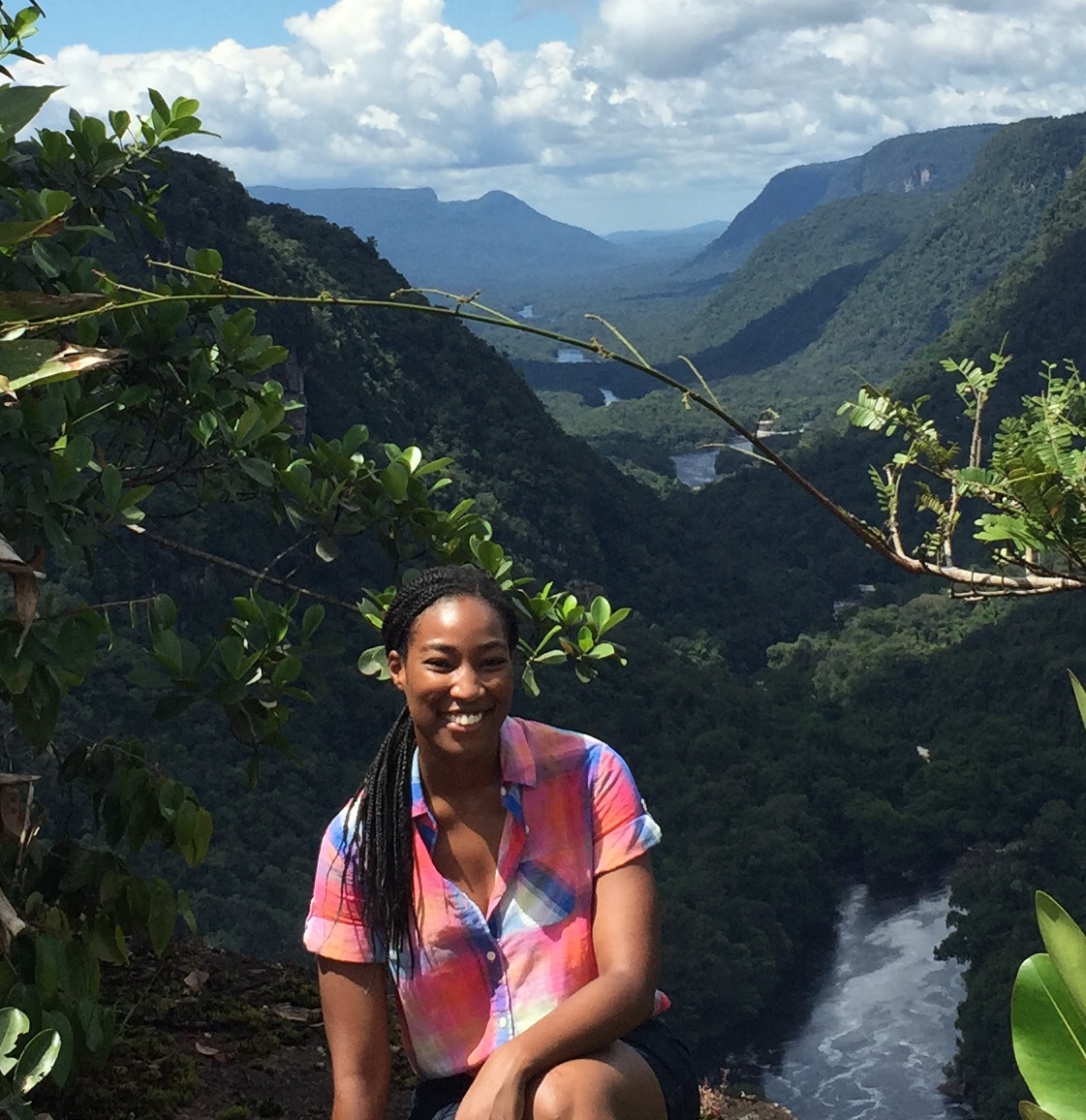
Katrina is an M.A. student studying International Educational Development with a specialization in International Policy & Planning at Teachers College, Columbia University.