Upcoming Events
Past Events
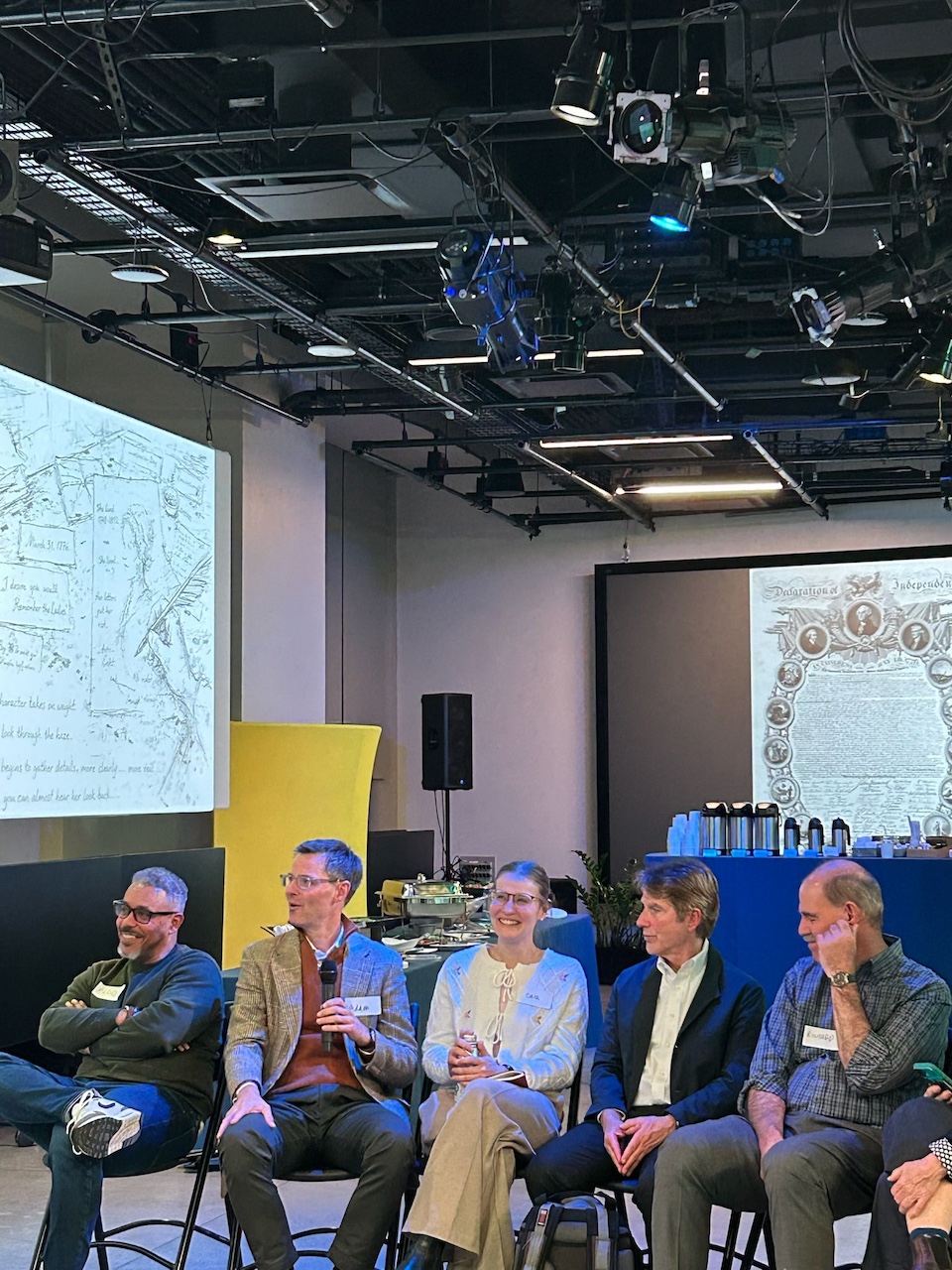
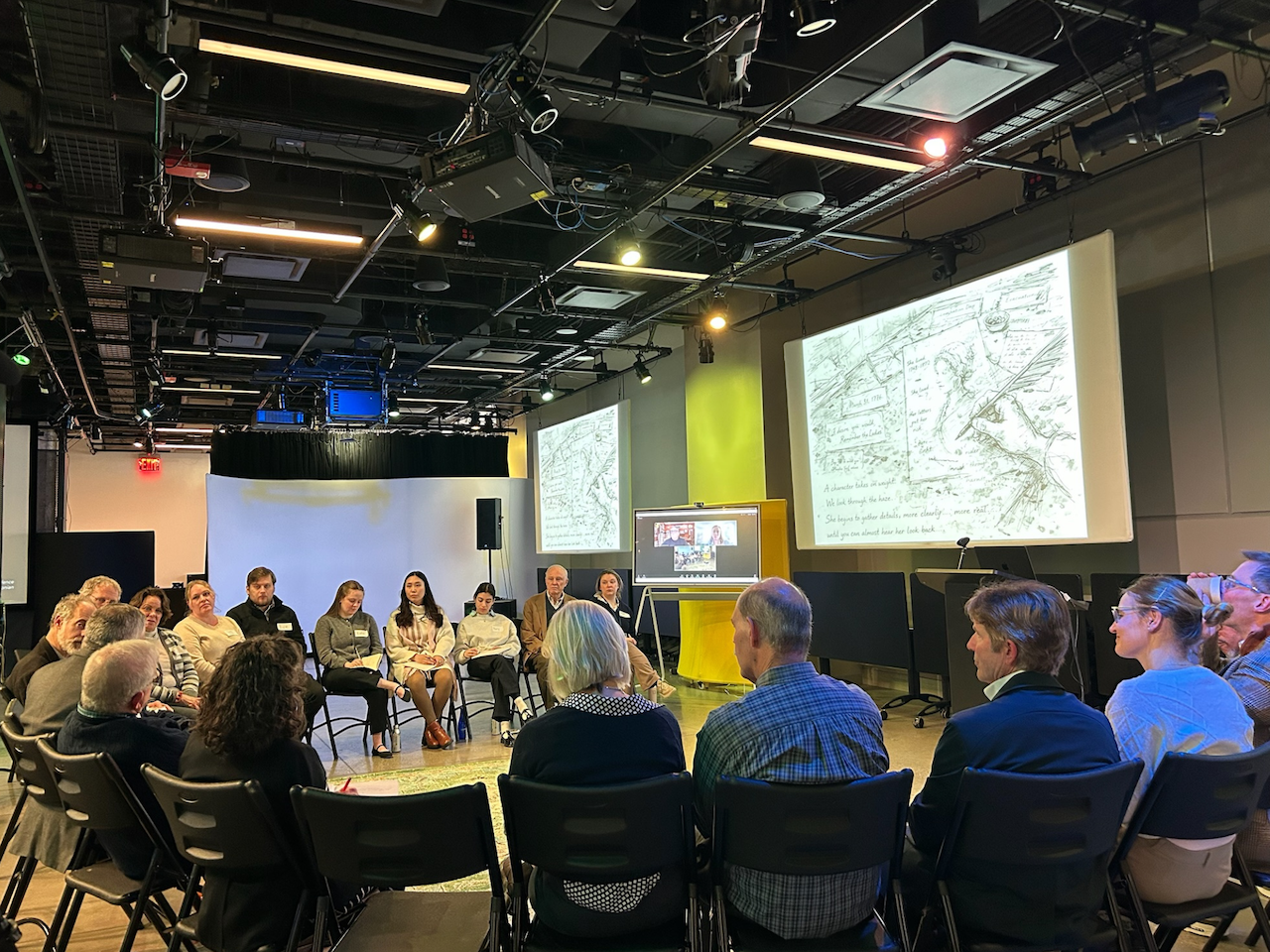
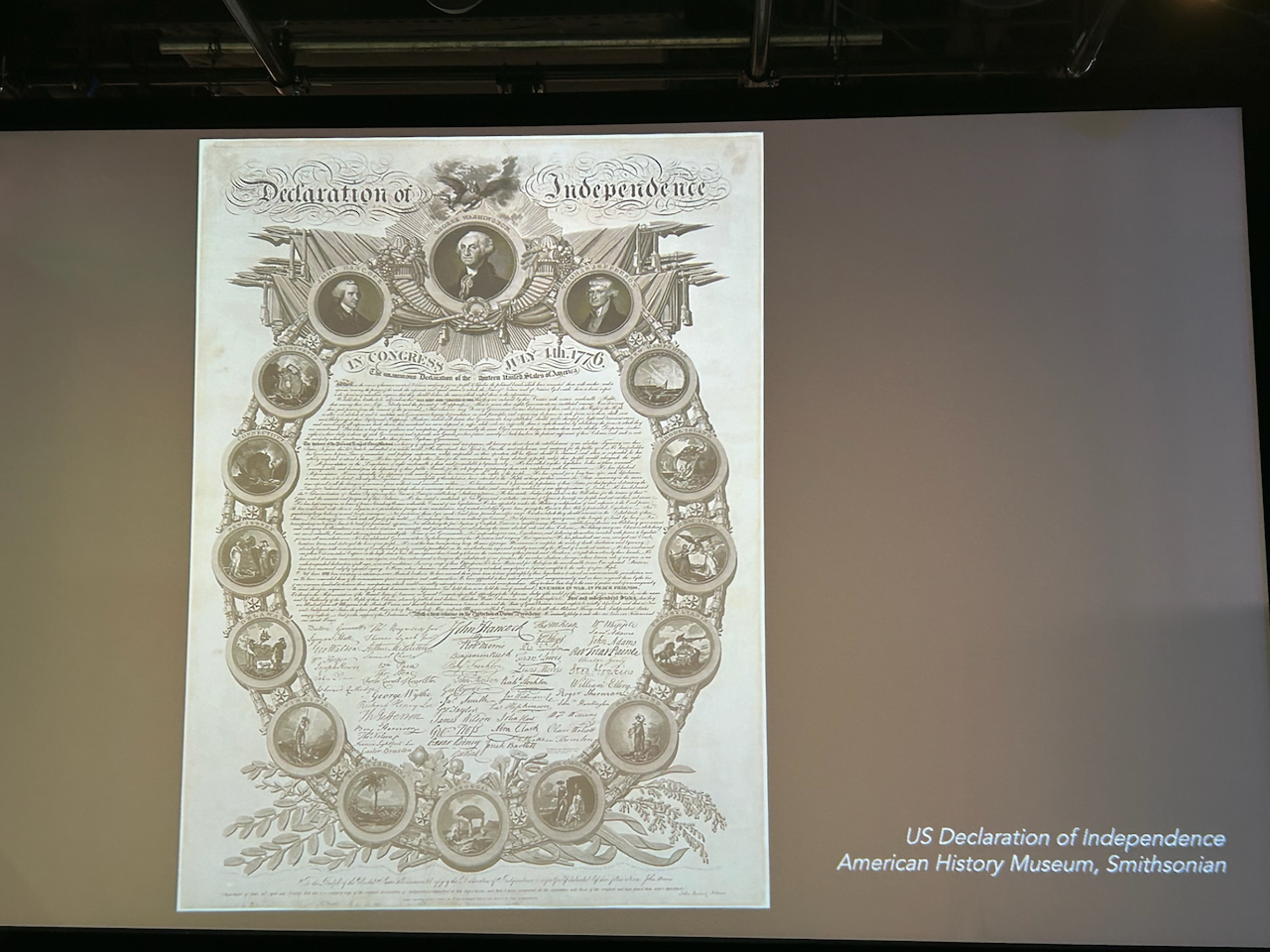
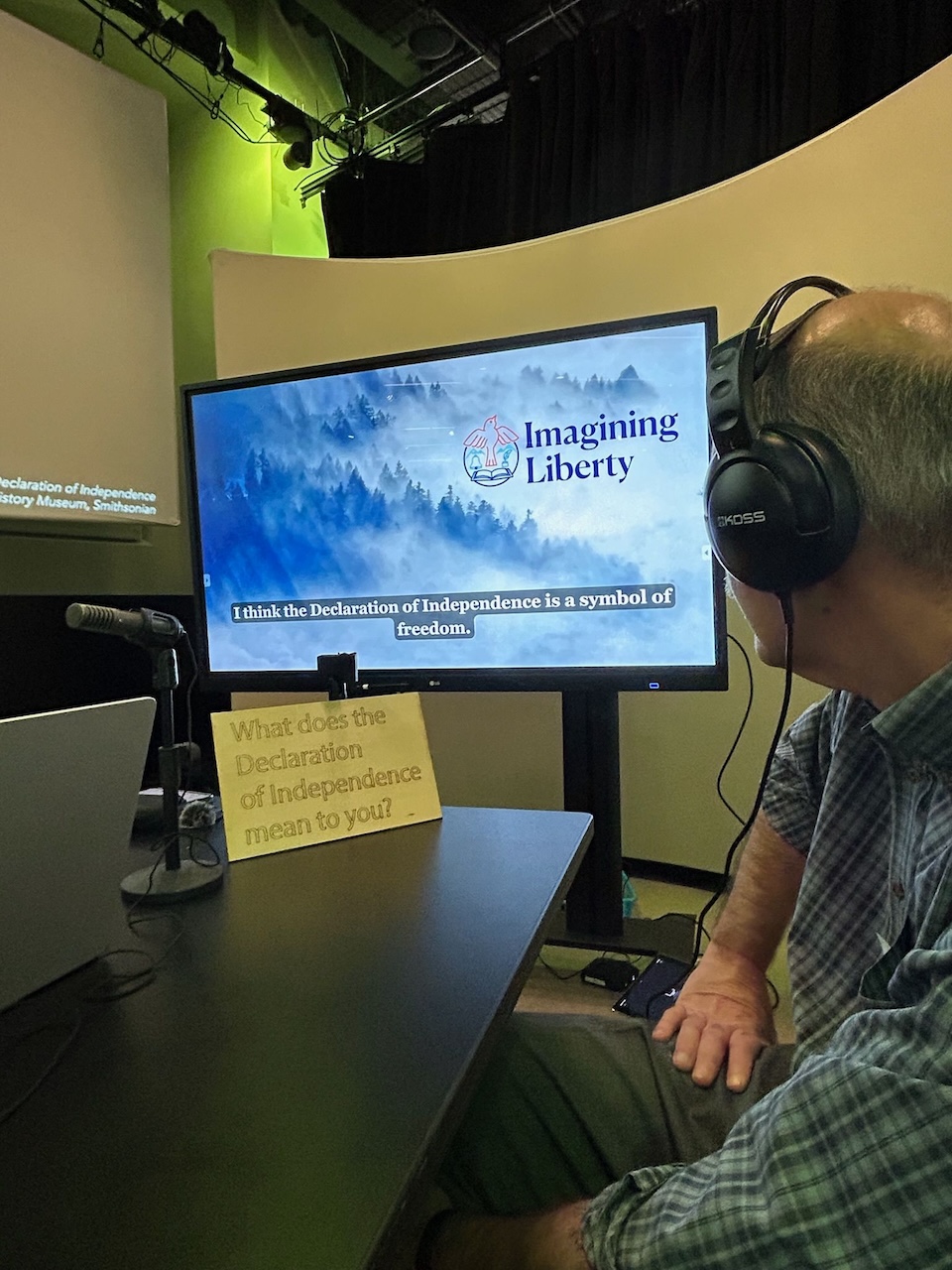
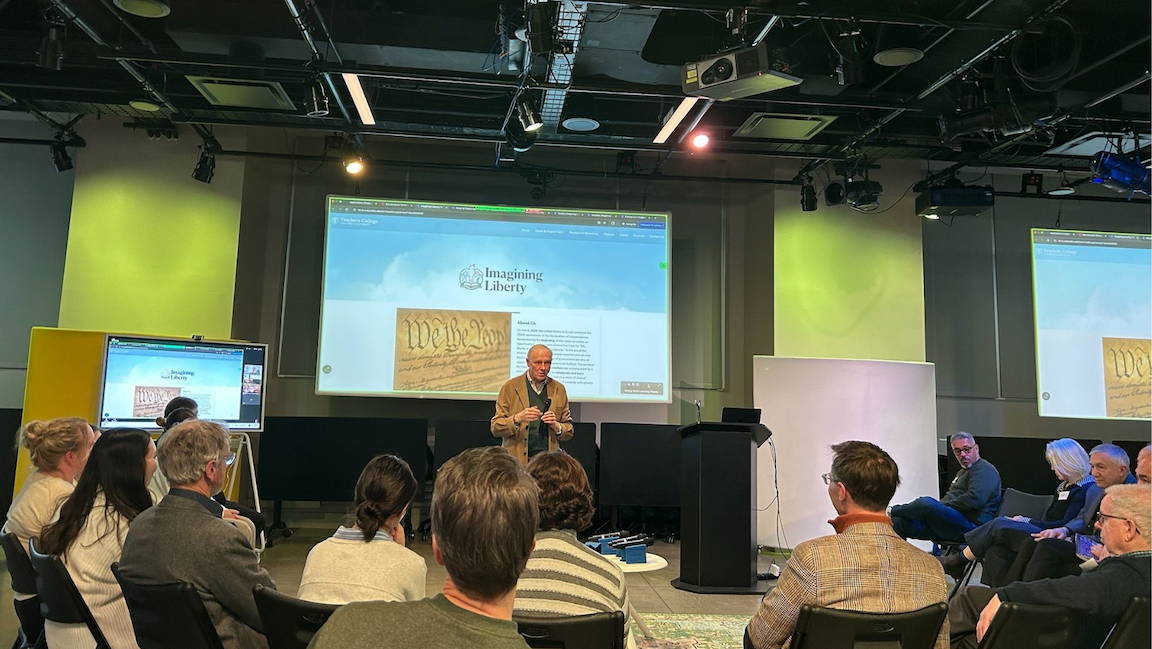
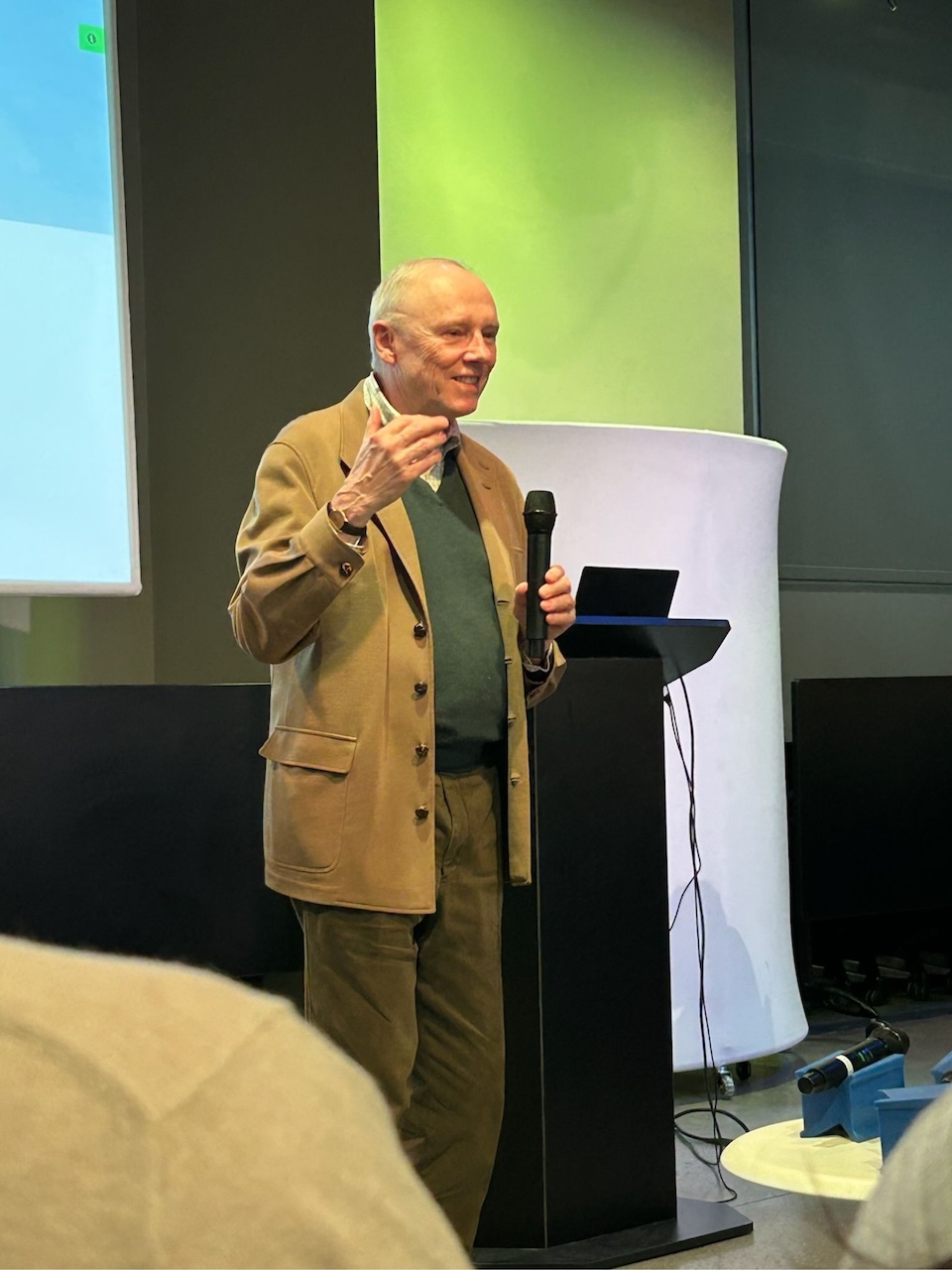
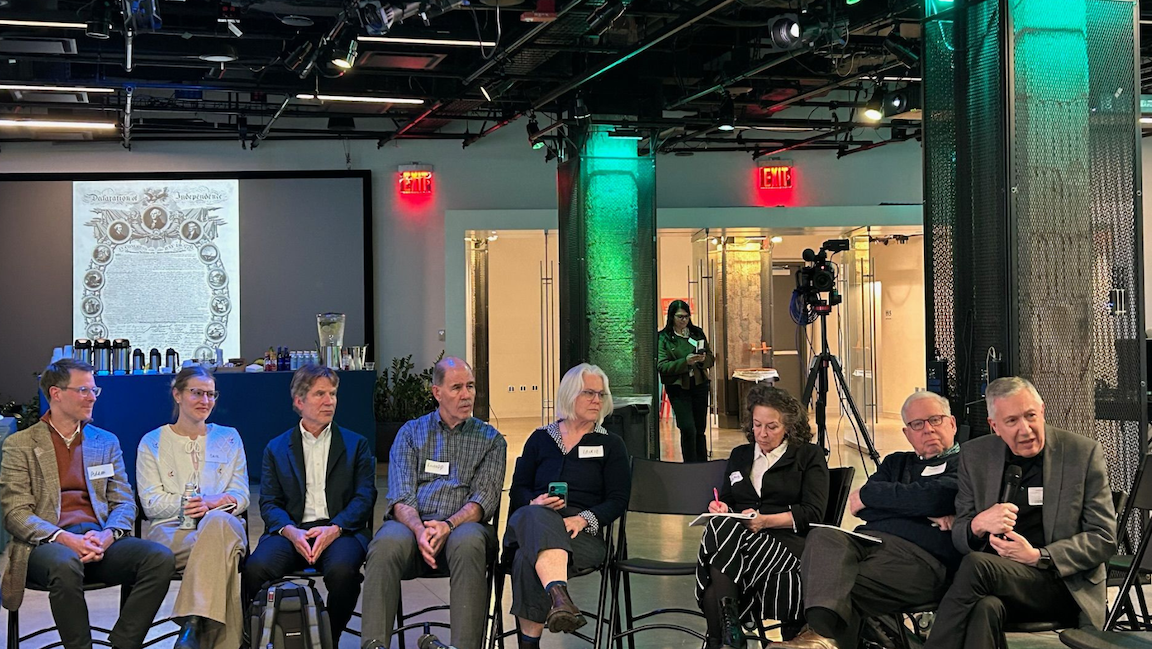
This half-day conference on the afternoon of Friday, February 6, 2026, from 1:00 to 5:00 PM is set in the context of the 250th Anniversary of the Declaration of Independence, which will be celebrated on July 4, 2026. The gathering is designed to explore connections between the historical period in which the Declaration was written and strategies that can be pursued now to strengthen civic learning and active citizenship in the United States.
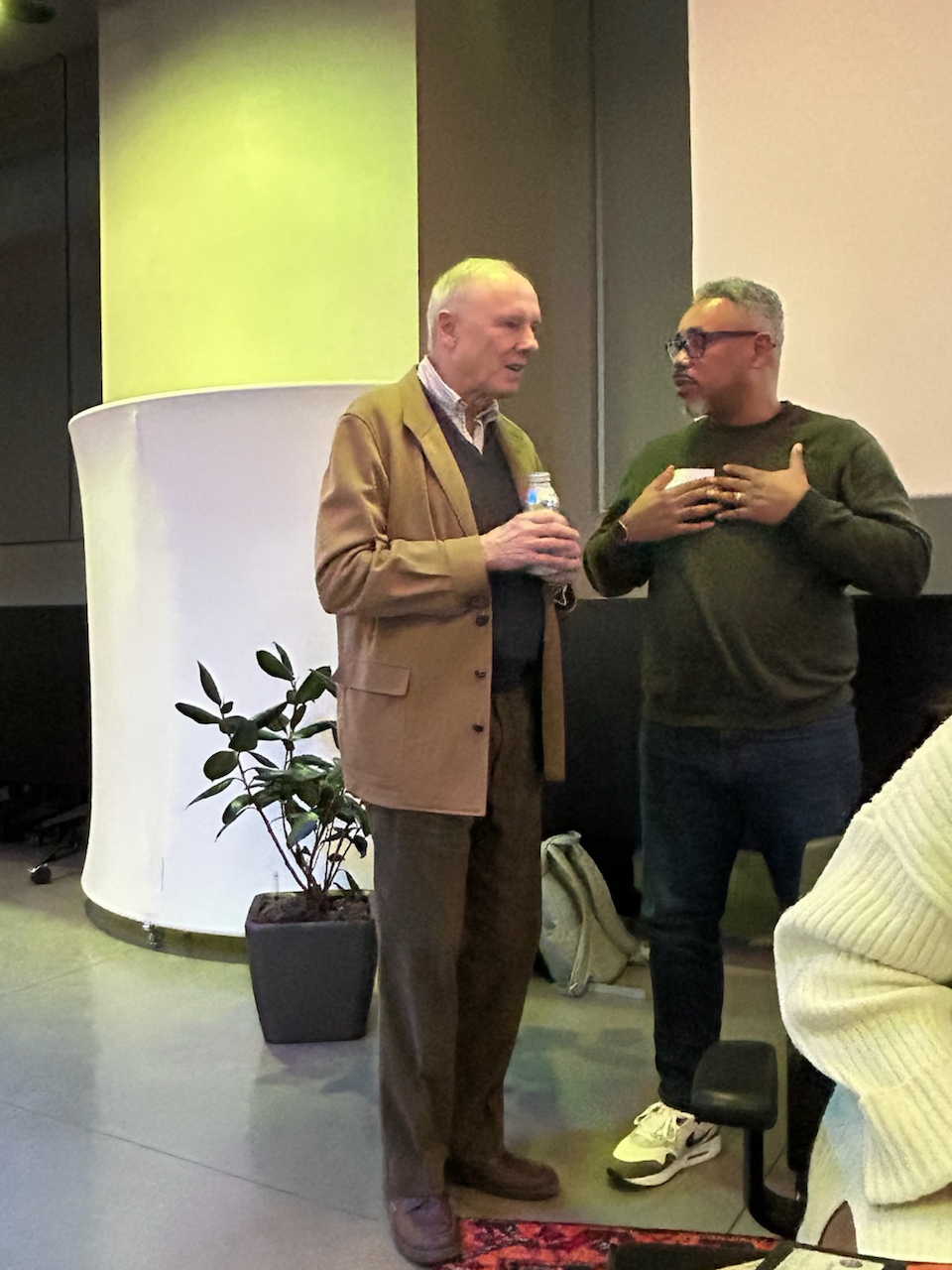
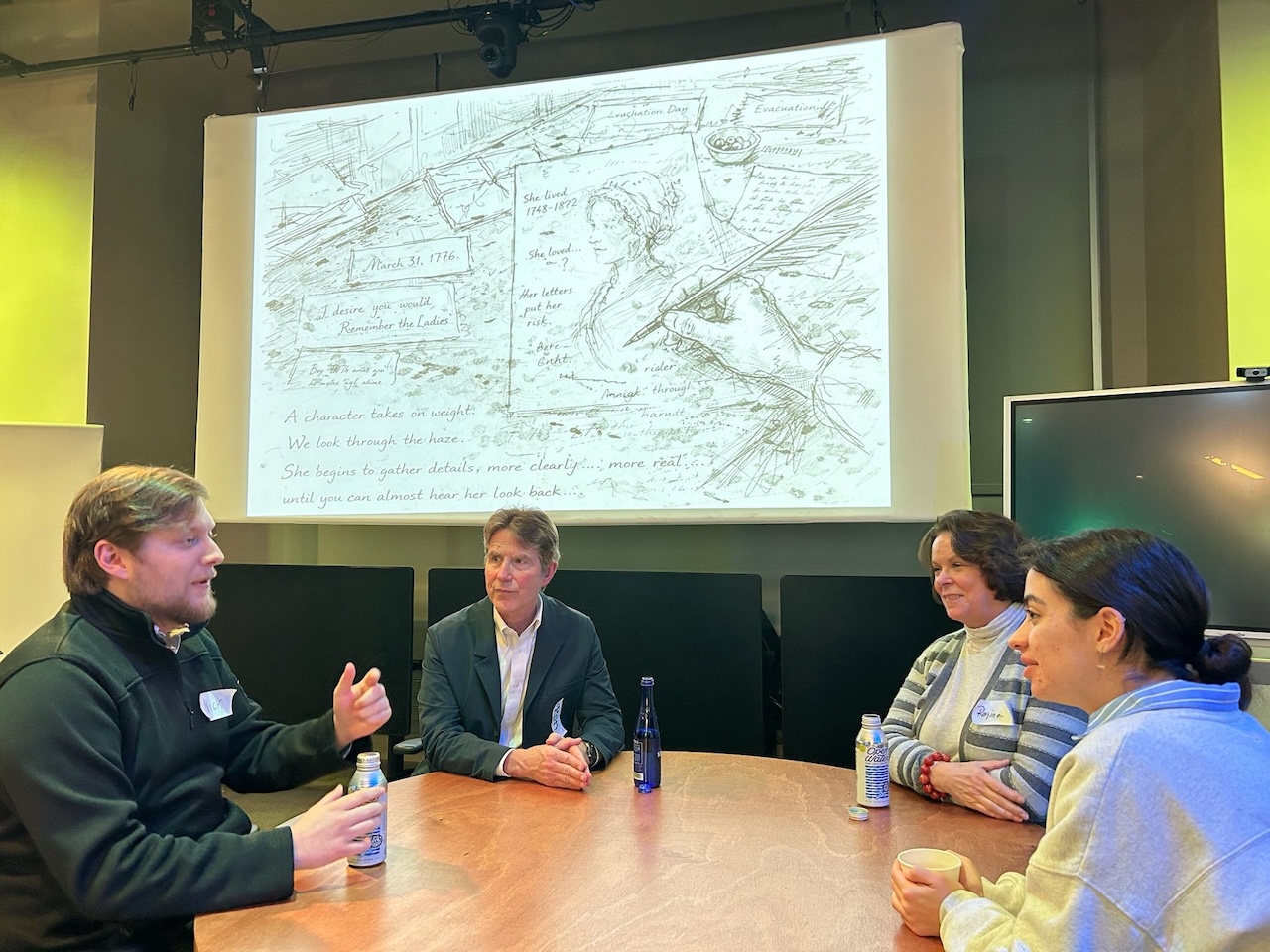
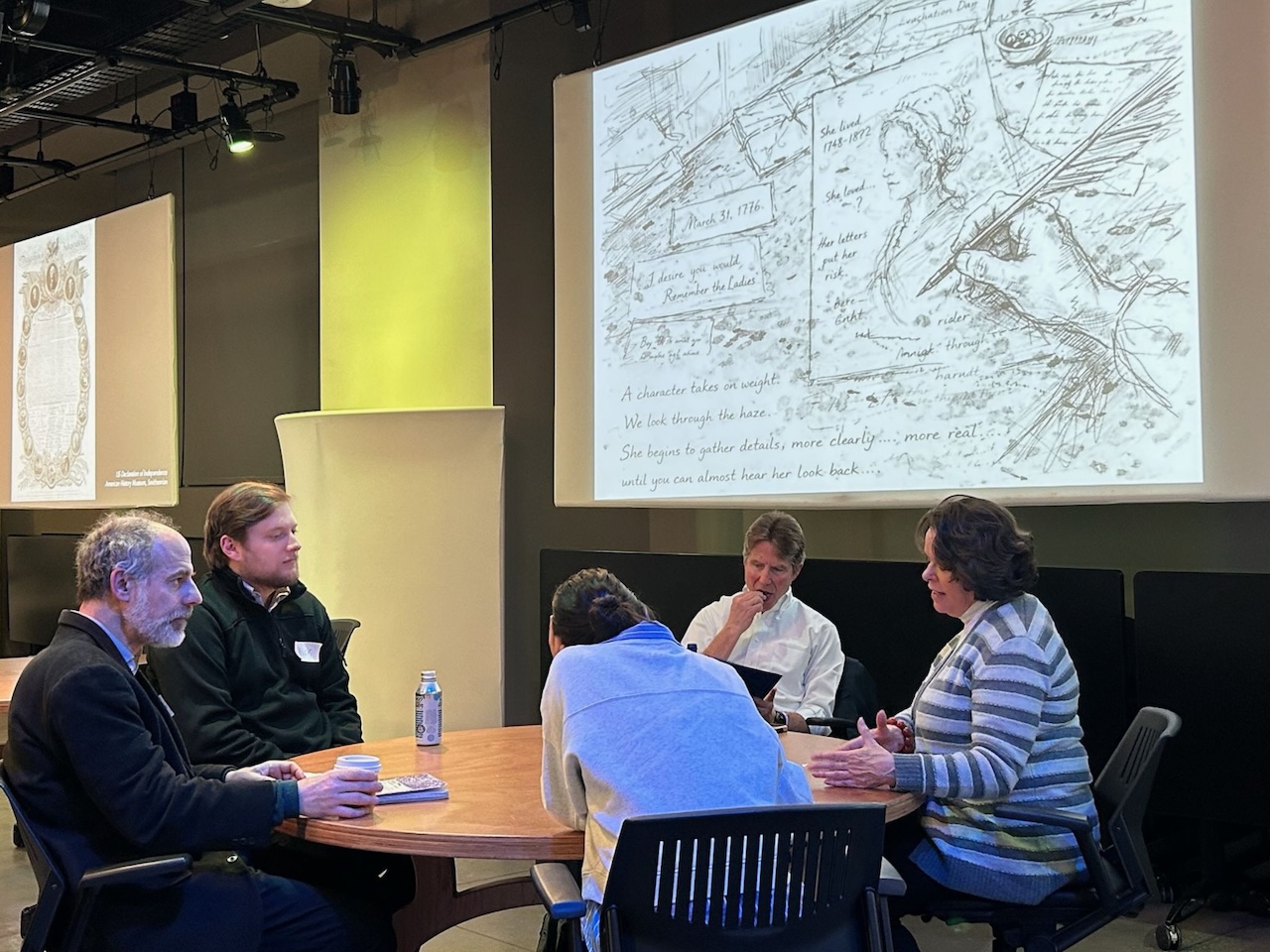
The intention is not to create a big audience for this half-day conference, but rather to enable a group of highly committed educators, scholars focusing on public history and public communication, innovative nonprofit leaders, and allies within the university to brainstorm ways of amplifying the uses of history and experiential learning in the formation of citizens, not only in this year of celebrating the anniversary of the Declaration of Independence, but also into the future.
The conference takes place in the Smith Learning Theater at Teachers College, Columbia University. It does not involve formal speeches and paper presentations. Instead, it features a combination of information-sharing, discussion of strategies and examples, and envisioning together how to enhance this crucially important work. We are welcoming the scholars there who wrote papers for the project entitled “1776: Seedtime of American Education,” funded by the Richard J. Lounsbery Foundation. Also present, along with educators and nonprofit leaders, are the project’s internal team, plus faculty members and graduate students who are pursuing valuable civic learning initiatives, and people from three internal organizations within Teachers College: the Digital Futures Institute (DFI), the Media and Social Change Lab (MASCLab), and the Center for Professional Education of Teachers (CPET).
Individuals with disabilities are encouraged to contact OASID at oasid@tc.edu, (212) 678-3689, (212) 678-3854 video phone, as early as possible to request reasonable accommodations, such as ASL interpreters, alternate format materials, and a campus map of accessible features.
Carousel