Overview
During President Tom Bailey’s inauguration as TC's 11th President in 2018, he asked: “How can Teachers College live up to its potential to build smarter, more productive, and more just societies? How can we direct our great teaching and research enterprise toward creating a world with pathways for all to flourish?”
And then, he answered: “By building a stronger and more effective Teachers College, we will strengthen our ability to help build a stronger and more equitable society — and by truly marshaling our resources to achieve our broader social goals, we will become a stronger and more effective and sustainable institution.”
He went on to share a roadmap to achieving that goal: from breaking down silos and fixing systems in order to enhance academic excellence and program strength; to creating an environment that fosters collegiality in the truest, fullest sense; to ensuring pathways that allow students to flourish at TC and beyond; to building TC’s research capacity. He further predicated all these actions on continued engagement with public practitioners and deep connections to supporting the public good. These ideas, to which he later added a focus on leading in digital innovation, were codified as TC’s Strategic Priorities, which were published in 2022, upon return to normal operations following the COVID pandemic.
These priorities serve as a framework for the TC administration’s annual goals, on which progress is reported to the Trustees each October.
Below is a summary of accomplishments on these priorities through August 2025; these will be updated in November, 2026.
Priority 1: Build the Optimal Academic Organization
We aim to deliver the teaching, research and educational experience that most effectively meets the needs of our constituencies and maximizes impact on the public good.
Our vision:
Building the optimal academic organization will create a strong foundation for an enriched faculty and student experience, boost program excellence and impact for the public good and enable TC to grow and thrive as an institution into the future.
Primary Objectives/Accomplishments
- Clarify and Refine our Mission and Common Purpose
- New mission statement adopted and visual identity launched in June 2023.
- Revise/Build Programs to Meet Student Needs
- A process was designed to enable continuous review and analysis of programs in terms of their adequacy in meeting student needs. Through this effort, the following initial actions have been taken:
- New online programs were launched, including Executive Leadership EdD; Sustainability and Education MA; Data, Learning, and Society MS; MA in Special Education.
- New MA program proposed in Applied Anthropology.
- Three programs were combined (MA in Instructional Technology and Media, MA in Communication and Education, MA in Design and Development of Digital Games).
- In addition, in the 2024-25 Academic Year, NYSED approved 12 program modfications.
- New signature curricular and co-curricular experiences for students were implemented, including a health policy federal institute in Washington, D.C.; a new partnership with the UN to engage TC students in UN fellowships; study abroad programs in Costa Rica and Morocco; and a doctoral seminar on navigating academic careers.
- A process was designed to enable continuous review and analysis of programs in terms of their adequacy in meeting student needs. Through this effort, the following initial actions have been taken:
- Improve and Enhance Faculty and Student Experience
- Website navigation was redesigned, facilitating exploration of academic pathways for prospective students.
- Admissions processes were streamlined and required credits reduced for Ed.D. attainment, from 90 to 75, to better align with practices across the field and lessen cost burden on students.
- Lecturer career pathways and titles were revised, with a “Professor of Teaching” title launched and career ladder ranks formalized through an inclusive process.
- Faculty hiring guidelines were established to improve consistency, clarity, transparency and equity, along with workshops to support implementation and best practices.
- Through strategic consolidation, elimination, and downsizing—notably merging the Ed.D. and Ph.D. committees, dissolving the Faculty Development Committee, and resizing the Faculty Advisory Committee—the College reduced service positions by 30% (from 82 to 57 faculty roles). As a result, the proportion of tenure-track faculty service needed to fill committee roles each year declined from 64% to 44%.
- Multiple systems were upgraded/improved (including PageUp and Unimarket) and a new advising product, Degree Works, was implemented to decrease the work required to review a student’s progress toward their degree. A working group including faculty members was formed to identify and address additional and continued systemic infrastructure improvements and build a plan to prioritize and address needs.
- A Vice Dean for Research position was added to the Provost’s leadership team with staff to assist faculty with writing and managing grants and gifts.
- “Sustainability” was incorporated as a separate line in the College’s five-year capital plan to emphasize its importance. Completed projects include the replacement of all campus lighting with LED bulbs, conversion of 50+ spaces from window air conditioning units to central air for efficiency and usage alignment and development of a dining hall composting program as well as other recycling initiatives.
Recent Work
Expanding Creative Boundaries at MediaFest 2026
TC students and faculty share innovative research at the Media and Social Change Lab’s annual multidisciplinary expo
TC Launches Program in Sustainability & Education
The online master’s program will prepare leaders to advance sustainability efforts through educational strategies and welcome its first class in the summer of 2026

Priority 2: Institutionalize a Culture That Supports Our Community
Note: In January 2025, this priority was reframed and revised toward emphasizing ongoing work to build a cohesive and supportive community that is focused on inclusion and belonging and is reflective and supportive of a diversity of viewpoint, geographic, ethnic, racial and cultural backgrounds. The content below reflects this broader definition.
We aim to reinforce TC’s foundational commitment to sustaining a culture that is inclusive, fair and supportive through a range of policies, training, outreach, and other mechanisms that cut across communities of students, faculty and staff.
Our vision:
We envision a vibrant and unified community where every member—students, faculty, staff—feels valued and empowered and one that is supportive of a plurality of backgrounds and voices. Together, we strive to set a standard of excellence in fostering connection, equity and inclusion, preparing our community to make a positive and lasting impact at the College and in the world.
Primary Objectives/Accomplishments
- Create Community Programming That Fosters a Sense of Belonging and Connectedness
- Advancing Community Together (ACT) was launched in August 2024 with educational initiatives along with listening and dialogue sessions aimed at combating antisemitism, anti-Muslim, anti-Black, anti-Asian, and other types of discrimination.
- The Committee on Community & Diversity (CCD), a cross-organizational advisory group, was engaged to design and lead community efforts, share information and serve as a vehicle for community feedback.
- Faculty skill-building sessions were provided to support student conversations in difficult times.
- A Meditation Room was designed and dedicated for use by community members for quiet solitude and/or to practice their faith.
- Cross-College cultural events were strengthened and promoted to bring community members together, including Office of Community Affairs open-house and Coffee Hours, and cultural celebrations including Juneteenth barbecue, Holocaust Remembrance Program, Military Appreciation events, and Iftar dinners.
- Institutionalize Accessibility to Ensure That Individuals with Disabilities Can Participate Fully and Equitably in their Work and Learning
- The Office of Access and Services for Individuals with Disabilities (OASID) created a series of disability-related trainings available to all TC faculty and staff covering legal definitions, statistics and reasonable workplace accommodations.
- The TC Accessibility First Campaign was launched, featuring a new Digital Accessibility Policy and resources for all community members.
- A cross-departmental ADA Compliance Task Force was created to meet New Federal Accessibility Title II ADA Requirements (effective April 2026) and oversee digital audits, remediation planning and implementation.
- Full access to outdoor events and programming was secured through the installation of two elevators in the Russell Courtyard.
- Ensure Systems, Culture and Operations Prohibit Any Form of Discrimination, Gender-based Misconduct, and Harassment
- A new Employee and Faculty Orientation & Annual Online Training was launched, featuring a three-part series for all new employees and faculty covering workplace respect and harassment prevention, racial and cultural microaggressions and FERPA/cybersecurity.
- Educational programming was expanded to build awareness of institutional policies and bias reporting vehicles, ensuring all community members understand TC's policies, values and community standards.
- A custom training on TC's anti-discrimination policies in alignment with Title VI is in development, featuring educational materials and definitions with a focus on fighting antisemitism and supporting an inclusive campus culture.
- Implement Thoughtful and Inclusive Policies Promoting a Culture of Civility and Community
- A cross-organizational committee of faculty, staff and students was formed to review policies to ensure compliance with city, state and federal laws and ensure full community representation in policy reviews.
- Full-scale review and revision of 11 policies was undertaken to ensure safe expression of thoughts and ideas.
- A Community Representative Program was established to liaise with and support students during demonstrations and protests.
- Ensure Transparency Around Leadership Actions and Decision-making
- In FY26, a series of open enrollment Community Cabinet Conversations was launched for staff and faculty to speak with TC cabinet members in small group discussions, to ask questions and share ideas.
- In FY26, a series of bi-weekly TC Update emails from the President was shared with students, faculty, and staff to keep community members apprised of Presidential actions.
- In FY25, the Office of the Vice President for Administration launched an annual Staff Forum to ensure employees are informed about campus climate and institutional priorities, featuring opportunities to engage directly with key employee-facing offices and senior leaders.
- An annual staff “Our Voice” employee survey was implemented in FY22 to provide opportunities for staff members to share feedback and help shape future organizational growth and improvement, and gauge employee engagement.
Recent Work
Celebrating the Impact of TC’s Long-Term Employees
An annual touchstone for the TC community, Teachers College recognized the profound service of long-term staff this June
Celebrating TC’s 2026 Faculty Appreciation Awards
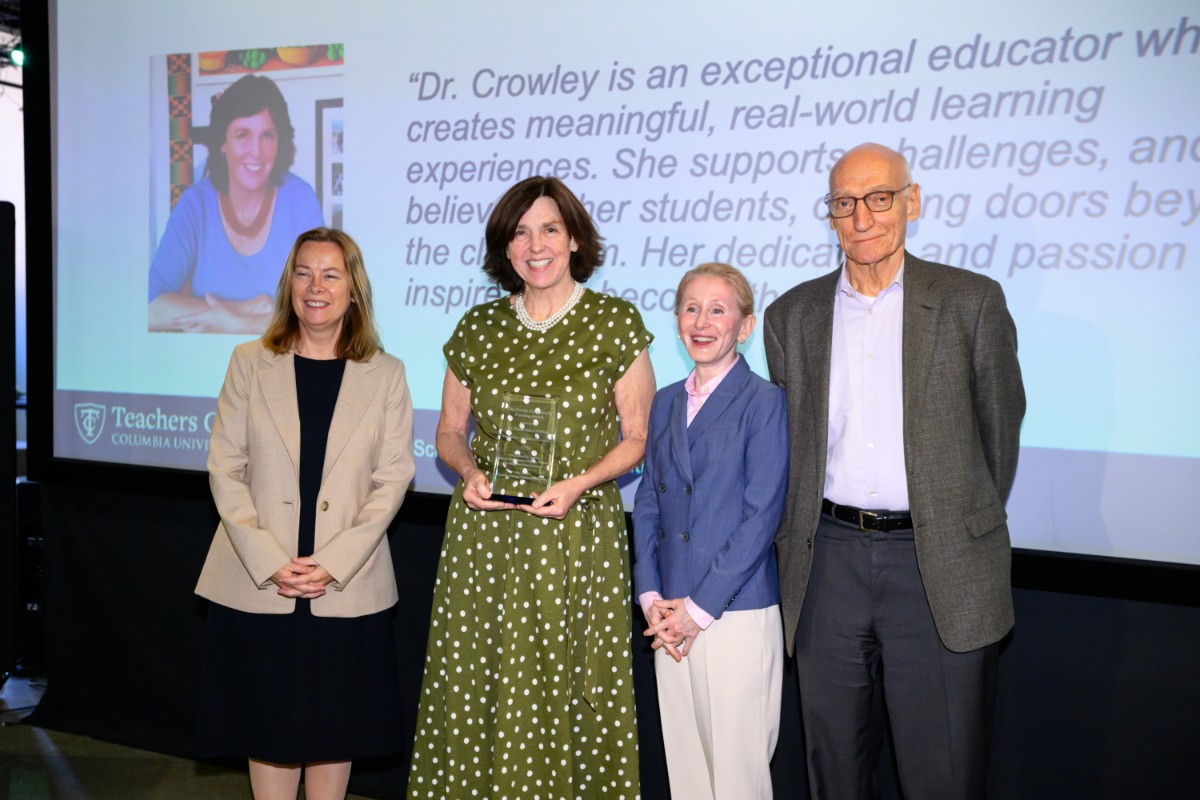
TC’s Cate Crowley, Oren Pizmony-Levy, Lori Quinn and other faculty were honored for their exceptional impact and commitment to their students and the life of the College
Priority 3: Enhance Student Pathways
We aim to assess, understand and refine the student pathway experience, such that each step along a student’s educational path offers robust, coordinated and highly effective systems of support that enable student success and promised outcomes.
Our vision:
Providing comprehensive support to students throughout their academic experience and beyond will help to ensure TC students and alumni reach their full potential, and will create a pipeline of exceptional candidates for employers in the education, health and psychology sectors.
Primary Objectives/Accomplishments
- Create Coordinated Student Pathways That Support Student Success From Their Point of Entry Through Graduation and Beyond
- TC NEXT – Navigating and Exploring for Tomorrow – was established as a College-wide approach to career services for students and alumni. Surveys indicate a high level of satisfaction among students for the services provided by TC-NEXT.
- The Student Support & Advocacy program was created to help students manage the pressures of academics, family, finances and more.
- The Student Life Ambassador program was launched to provide a range of student-driven community programs, from small-group meetings to Broadway outings.
- Through career fairs and services, the number of potential employers engaging with TC students increased by 400 in one year. New curricula and technologies were provided to support improved career development programming, including global opportunities, for students and alumni.
- Columbia University’s conferral date for TC graduates was moved earlier, from October 1 to September 1, enabling them to meet employer requirements and secure employment as teachers and school psychologists without waiting a year to align with hiring school systems.
- The Cowin Student Success Hub and the Cowin Career Closet were launched in FY25, providing students with dedicated meeting space and access to business and professional attire and accessories for interviews, networking and employment at no cost to them and with no need to return.
- Improve Academic Advising and Co-Curricular Support
- Academic support services were expanded to offer a robust range of options, including: research analysis support, tutorial services, graduate reading and writing and conference presentation support.
- A Special Advisor to the Provost for Doctoral Education position was created to advise, draft, and implement policies, programs, and potential structural improvements for doctoral students.
- Student advising systems were strengthened: every student was assigned a full-time faculty advisor and a new advising product, Degree Works, was implemented to help track a student’s progress toward their degree.
- To provide targeted, individual support for student parents, a part-time Case Manager was hired specifically to meet with student parents, connect them to vital resources and serve as the advisor for the Student Parent Group.
- TC’s student employment system was strengthened through the creation of an Assistant Director of Student Employment position, designed to centralize on-campus student employment.
- Optimize Financial Aid to Increase Degree Attainment
- Doctoral Fellows support was expanded from three to four years and increased to $30,000 per Fellow. The number of doctoral fellowships was increased from 107 in FY22 to 157 in FY26. In addition, a streamlined process was established to award, notify and track new Doctoral Fellowships and other Doctoral scholarships throughout the award cycle.
- Multi-year masters’ scholarship programs were provided, facilitating student decision-making and reducing faculty burden.
- New technologies were implemented to enhance Title IV student aid usage, including improved notifications and reduction in forms, enabling staff to more effectively counsel students on responsible financing.
Recent Work
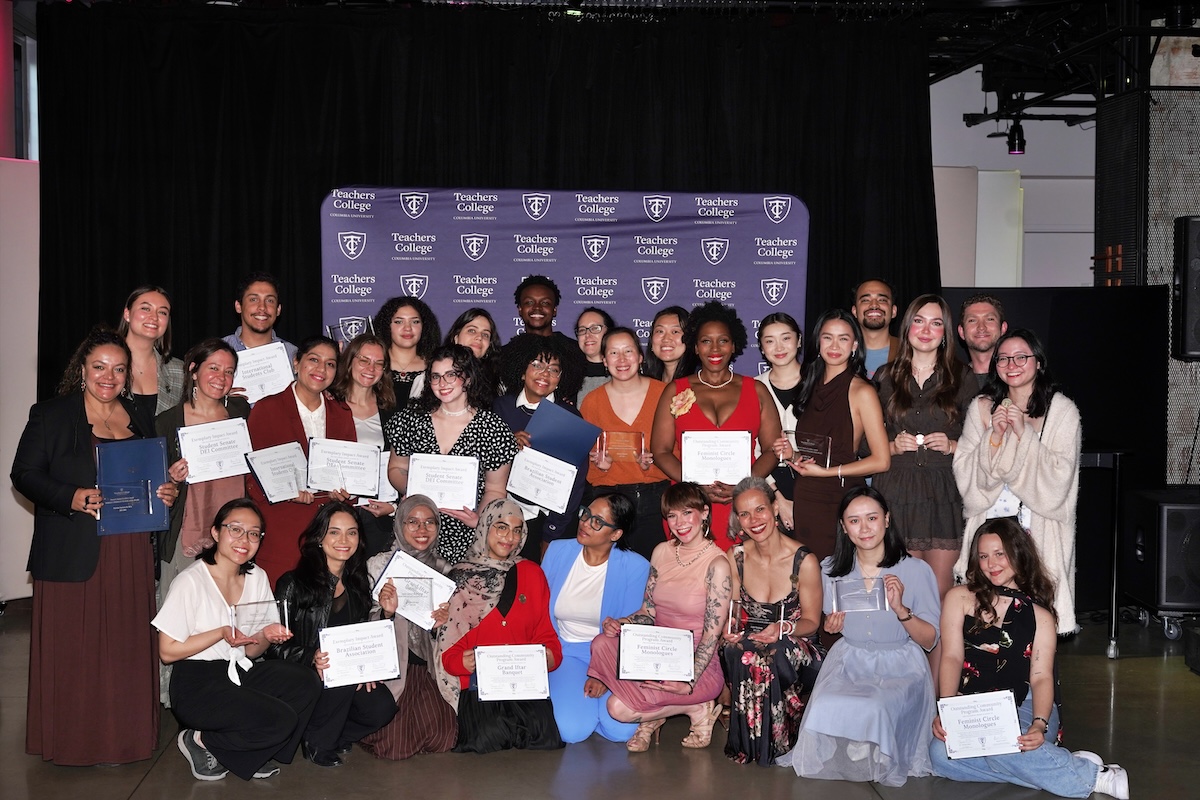
Honoring the 2026 Provost’s Student Excellence Award Recipients
Teachers College honored exceptional students who exemplify co-curricular excellence , community and leadership
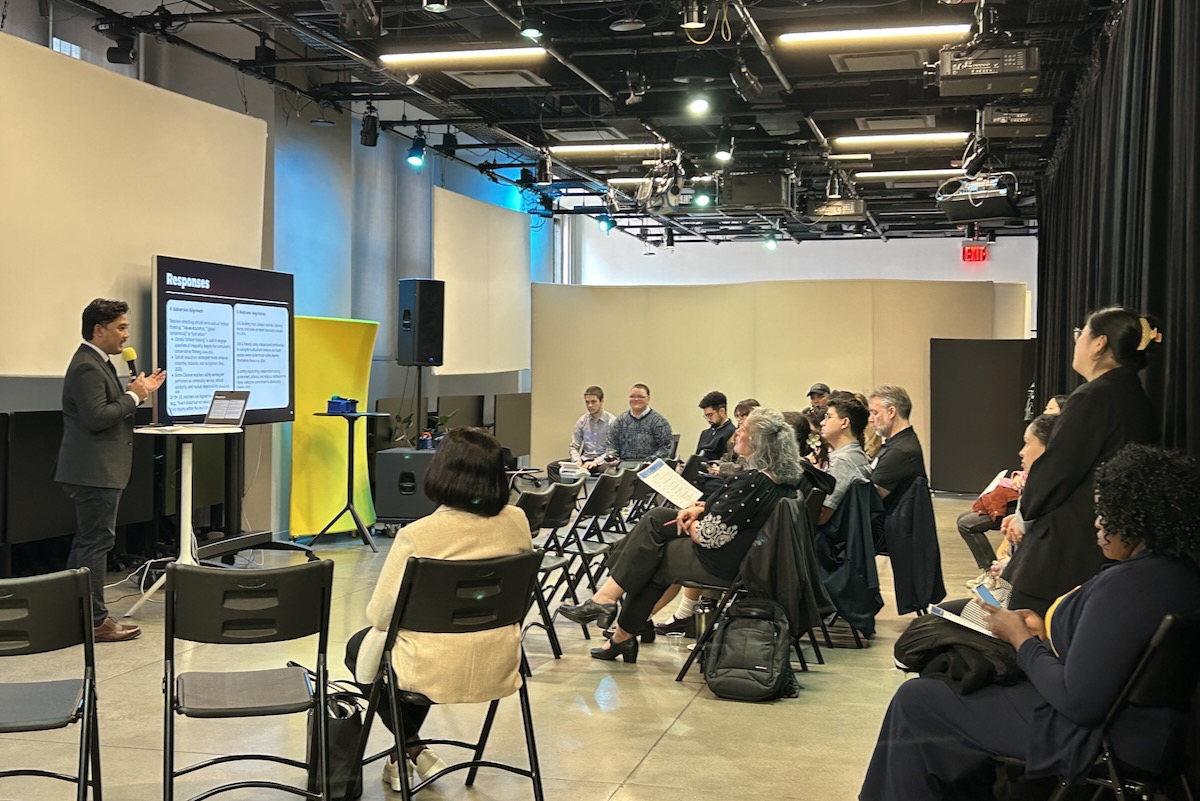
Robust Student Work Showcased at the Provost’s Grant Research Expo
TC NEXT hosts this annual event that features student research
Priority 4: Advance Research for a Better World
We aim to strengthen the College’s research infrastructure to facilitate the flow of resources to TC, promote faculty success and productivity and provide students with financial support and rich learning experiences, which will magnify the impact of the College’s research on policy and practice to address and solve societal challenges.
Our Vision:
By bolstering our research enterprise we will bring more resources to the College, offer more opportunities and financial support for our students, and boost the impact of our faculty research, which in turn, will magnify the impact of the College’s research on policy and practice.
Primary Objectives/Accomplishments
- Strengthen and Streamline TC’s Research Infrastructure to Build Faculty Research Funding Support
- A Vice Dean for Research position was created in FY22 to lead this priority. A full-time Vice Dean for Research was hired in spring 2024 to lead research efforts at the College.
- A revamped research website and monthly research newsletter were launched to increase submissions and total grant awards.
- The Research Infrastructure Improvement Committee (RIIC) was created to bring together staff members from offices across the College that are involved in Research at TC. Members work collaboratively to strengthen the research infrastructure by identifying and addressing challenges and working together to implement guidelines, processes and policies that improve Research at TC.
- In FY24, the Vice Dean for Research created a new blog series, “From Roots to Research,” designed to highlight the origin stories and scholarly journeys and accomplishments of TC faculty researchers.
- The College purchased the Cayuse platform to manage grant submissions and awards, strengthen research and regulatory compliance, and reduce risks related to conflicts of interest.
- The Office of Sponsored Programs created pre-award and post-award manuals and materials to standardize the proposal submission process and the grants management award process for sponsored program administrators.
- Three sponsored research administrators have been hired since FY24 to provide much-needed pre- and post-award support to faculty and student researchers.
- Proposal submissions and awards increased through FY25, despite restrictions on federal funding. Across nearly every academic department and research centers, faculty researchers increased their proposal submission activity, resulting in the highest submission volume since FY22.
- In FY25, there was an 18% increase in submissions compared to the previous fiscal year, driven largely by faculty pivoting toward private foundation funders after the reduction in federal funding opportunities. The College achieved an 11% increase in total award dollars compared to the previous fiscal year, surpassing prior funding totals. This increase in the total award amount was hampered by a loss of federal funding due to federal grant terminations in spring 2025.
- A series of grant writing groups and boot camps, webinars, and workshops were launched and are provided annually for faculty and students to support proposal development and resource prospecting.
- A lower fringe rate for student employees was negotiated with the federal government, facilitating their inclusion on grants, while maintaining their benefits.
Recent Work
Research in Brief: How TC Is Driving Advancements in Psychology
With TC’s Ayorkor Gaba, Patricia Hewlin and Ben Lovett
Giving Community Colleges Their Due
TC’s Community College Research Center celebrates 30 years of expanding educational opportunity
Priority 5: Lead in Digital Innovation
We aim to situate the College at the forefront of pedagogic innovation, advancing the intersections of education and technology such that our faculty and students are equipped with — and influence — the latest scholastic approaches, and are positioned as visionaries in this space.
Our vision:
By integrating and harnessing our collective firepower in digital pedagogy and research, the Digital Futures Institute will position Teachers College not only to better serve the needs of our students and faculty, but also to lead the way in driving digital innovation throughout higher education and the broader public.
Primary Objectives/Accomplishments
- Centralize Technology Resources Through the Digital Futures Institute (DFI)
- The Digital Futures Institute (DFI) was launched to provide training in the effective use of technology in teaching and coordinate TC efforts in media creation, technology development, digital learning and academic computing.
- DFI developed an AI in Education Initiative, featuring a College-wide approach to AI through an AI working group convened to advise on academic honesty and AI; Gemini deployment policy; and establishing syllabus guidelines for AI usage in courses.
- DFI held a variety of workshops and in-person and online events (including webinars, speaker series, workshops) as part of DFI’s AI and Education Initiative, with a total attendance of 720.
- Promote Faculty Expertise in Digital Practices and Tools
- TC joined Columbia University’s AI Summit (Spring 2025) and 5 TC faculty members were featured on an AI in Education Research and Practice panel. In addition, TC Graduate students showcased their cutting edge AI research in a poster session.
- Faculty research was promoted in media, including citations in news outlets (CBS, New York Times, NY1, NPR), popular press (Education Week, Ms. Magazine, The 74), and other outlets.
- The DFI Fellows Program was launched as a cohort-based program providing five fellows with the opportunity to deepen and broaden their digital expertise.
- A Future of Teaching Faculty Seminar was held that met monthly to discuss the future of teaching at the College.
- Build a Culture of Innovation
- In FY25, Partnerships were formalized in support of research innovation with Google and StartEd, Toyota Woven City, Centro Cultural Paraguayo Americano (CCPA, Paraguay), and the Computer History Museum, increasing impact through entrepreneurial education, international AI program advisement, and an EdTech exhibit in the DFI Gallery.
- A series of innovation ‘on-ramps’ were institutionalized from faculty and student collaborations in four focus areas: Digital Pedagogy, Play, Multimodal Scholarship, and Technology for Social Good.
- Develop a Research Program and Infrastructure
- In FY25, DFI provided 45 faculty consultations on implementing research technologies and launched 3 new fellowships to help translate faculty research for broader audiences through media and podcast production.Continued support was provided to former Innovation fellows as they advanced their ongoing projects.
- DFI also established a new academic journal, Video Journal of Education, a new venue for video publishing in education research and scholarship. The editorial board is composed of 22 scholars from a variety of disciplines and over a dozen institutions. The first volume is in development now, with a publication launch date of 2026.
- A Future of Teaching Task Force was assembled to explore the teaching landscape at TC and developed a report outlining proposed areas for further exploration and growth in digitally mediated teaching.
- Funding was secured from the National Science Foundation, Social Science Research Council, and the Spencer Foundation to support work in the areas of climate change research, public scholarship and digital pedagogy.
- Establish TC Expertise in Education Technology Use
- In FY25, in addition to hosting EdTech Week (2024) with StartEd, the Teachers Supporting Teachers (TST) program held its 3rd year supporting K12 teachers, including hosting a virtual retreat in Summer 2025, attended by over 200 teachers.
- K12 focused programming included a Generative AI for Educators online mini-course, introducing educators to the basic of generative AI and the implications of this technology
- A robust range of programming was offered including podcasting workshops, research software trainings and hands-on experiences in the DFI Tech Playground to explore emerging digital technologies.
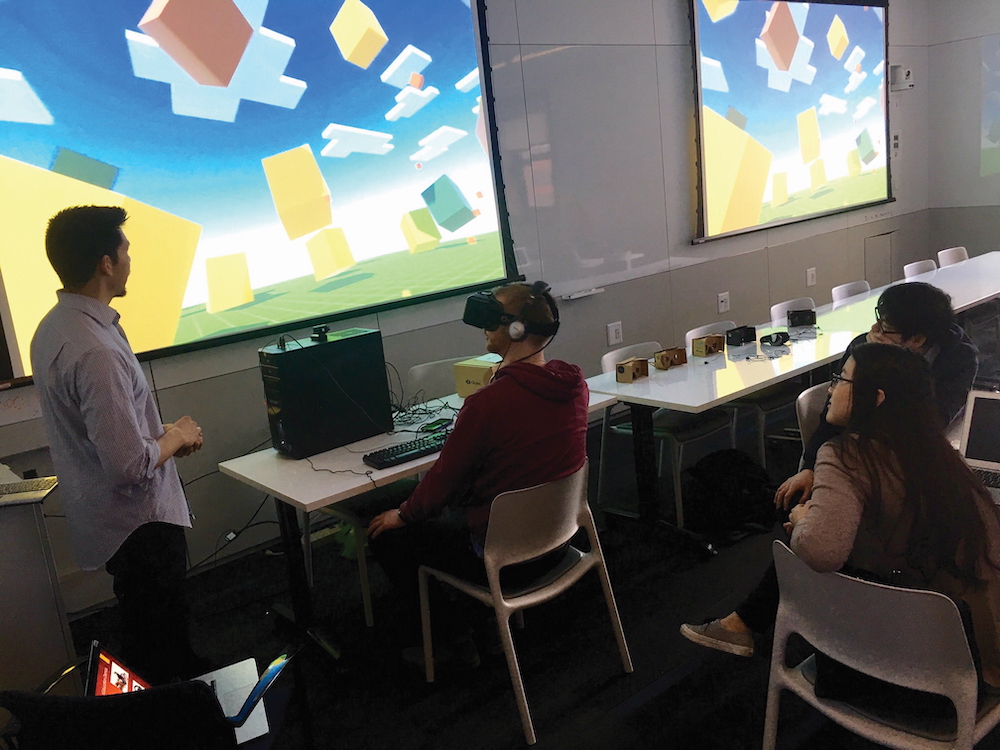
- An Immersive Experience Club was established, enabling participants to explore mixed and virtual reality experiences with VR tools and environments as they explore connections to learning and design.
- Leverage Digital Products to Promote Expertise Among Faculty and Students
- In FY25, DFI supported the production of 24 podcast episodes and 45 videos, resulting in 4,132 downloads and 11,328 plays, engaging 21 faculty members in the process.
- The Technology for Social Good program was established, placing TC students with local nonprofits that are leveraging digital solutions to address societal challenges (including Justice Through Code, The Center for Measurement Justice and New Alternatives for Children).
Recent Work
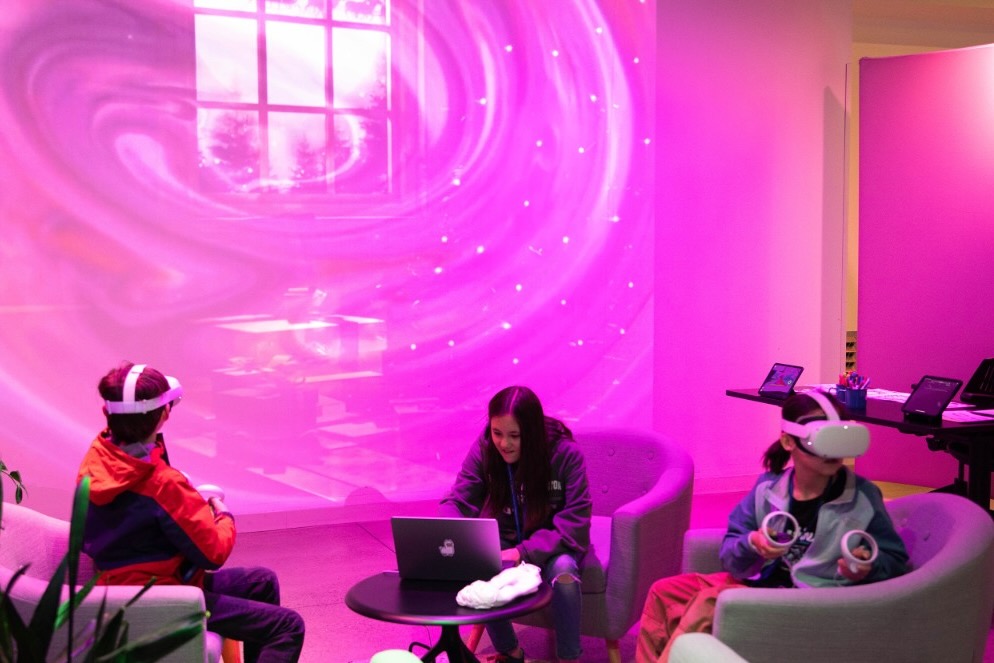
Celebrating 5 Years of Creative Research Pathways with the Digital Futures Institute
The second annual Multimodal Scholarship Showcase spotlights student and faculty work
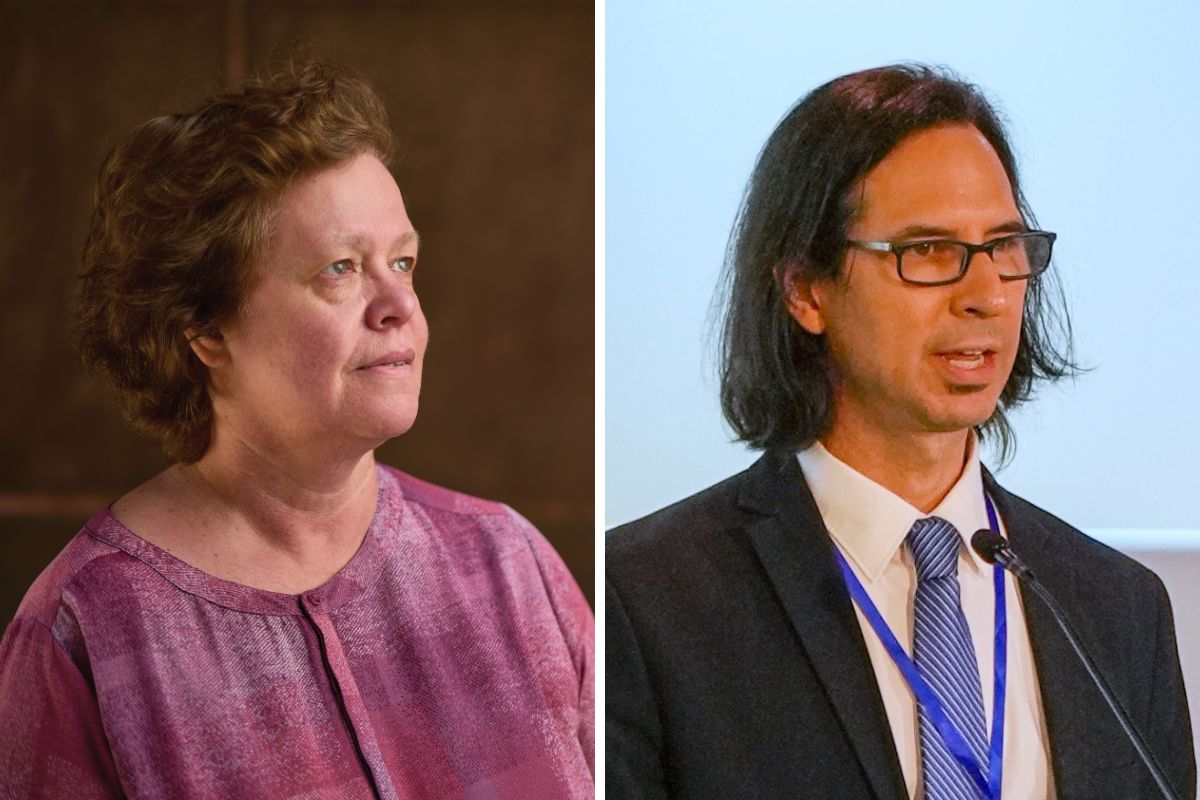
The Academic Brief: How TC Is Driving AI Research & Pedagogy
With TC’s Irina Lyublinskaya and Erik Voss
These strategic priorities are rooted in TC’s commitment to advancing the public good, ensuring that our programs, research, and partnerships meaningfully address today’s most pressing challenges. Learn more about how the Public Good Initiative strengthens and guides this work.
Feedback
Share your feedback or questions via email at marcomm@tc.columbia.edu.
Support TC
Interested in supporting TC’s work to create a smarter, healthier and more equitable world?